


 Canal
Canal 


Aportando € 5
Reconocimiento en la Web
Tu nombre aparecerá en la sección de agradecimientos en la Web Open Energy con tu nombre y apellidos.
> 03 Cofinanciadores
Utilizamos cookies propias y de terceros para mejorar su experiencia y nuestros servicios, analizando la navegación en nuestro sitio web. Si continuas navegando, se considera que das tu consentimiento para su uso. Puede obtener más información en nuestra Política de Cookies
Open Energy
Sistema de monitorización y visualización en tiempo real del consumo eléctrico en entornos domésticos
 Tarea
Tarea
|
Mínimo | Óptimo |
|---|---|---|
|
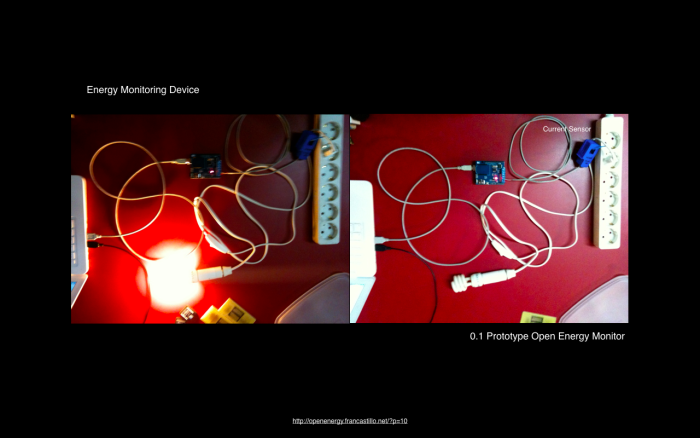
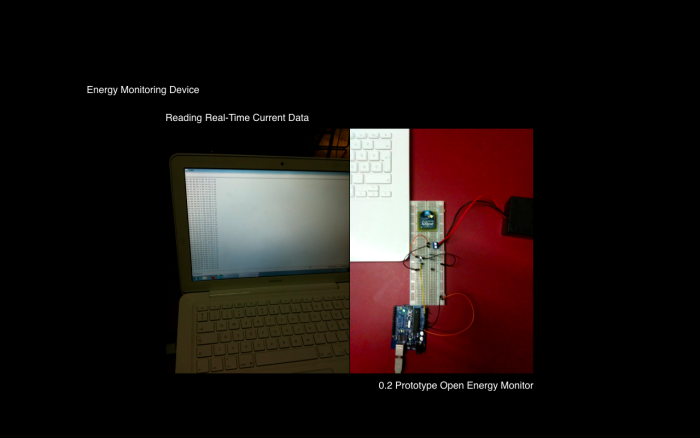
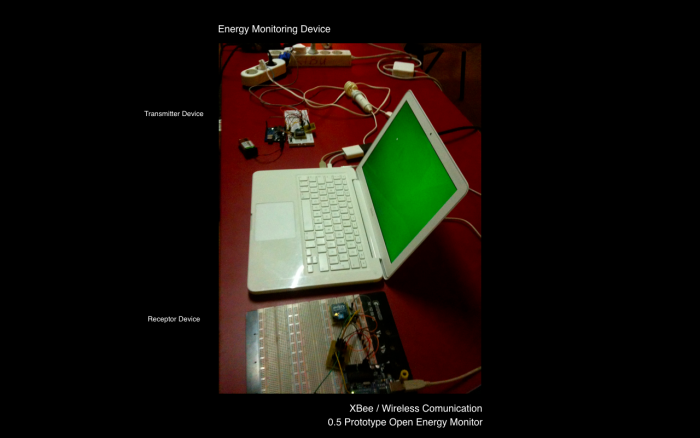
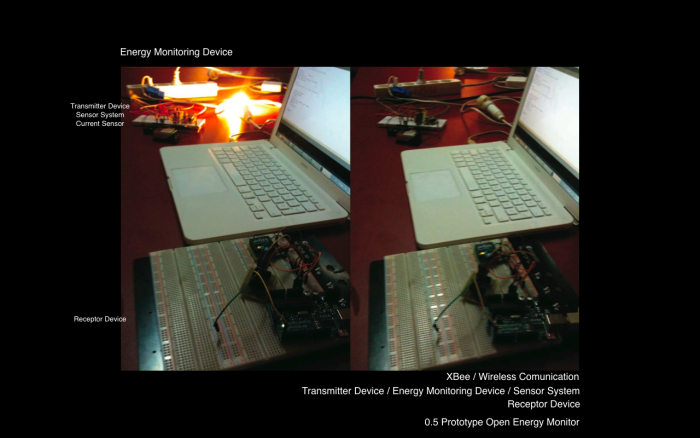
Energy Monitoring Device
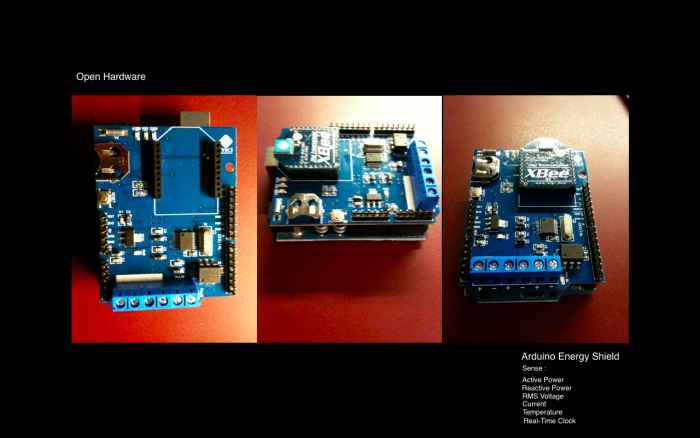
Desarollo y Diseño de Hardware. Arduino Energy Shield / XBee , Transmitter Device / Receptor Device / Current Sensor.
Desarrollo Prototipo A : Monitorización eléctrica de un punto de medición.
|
€ 2.400 | |
|
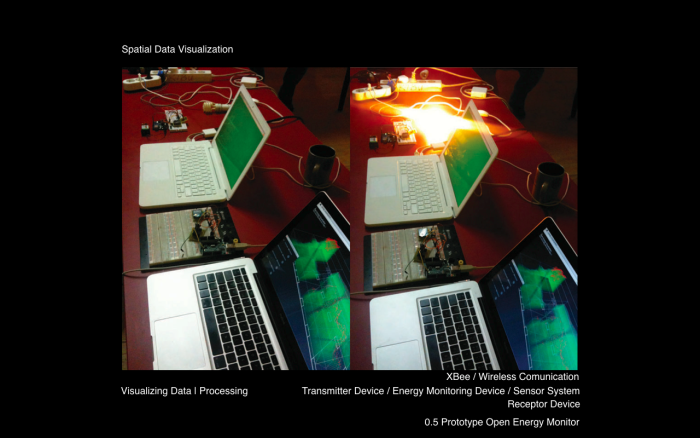
Real-Time Visualization Software
Programación del Software de Visualización,Diseño de la Interfaz de Visualización,
Diseño y Progamación Web Open Energy.
|
€ 2.000 | |
|
Real-Time Visualization / Augmented Reality
Programación del software de visualización, Diseño de la Interfaz de Visualización, app smart phone / realidad aumentada y/o otras interfaces de visualización.
Desarrollo Prototipo B : Monitorización eléctrica (y visualización) de hasta 5 puntos de medición.
|
€ 4.500 |
 Material
|
Mínimo | Óptimo |
|---|---|---|
|
Material Energy Monitoring Device
Materiales para el desarrollo del sistema de sensorización Energy Monitoring Device
|
€ 600 | |
| Total | € 5.000 | € 9.500 |
Open Energy propone desarrollar una plataforma para explorar nuevos sistemas de visualización del consumo de energía y poder optimizarlo en consecuencia, tanto en entornos domésticos como industriales.
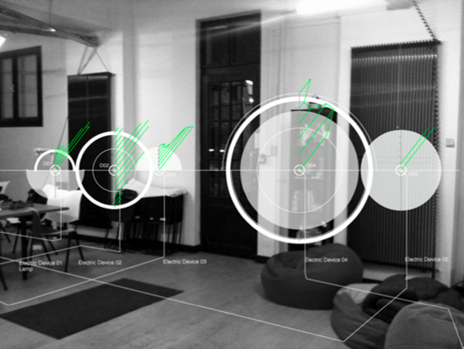
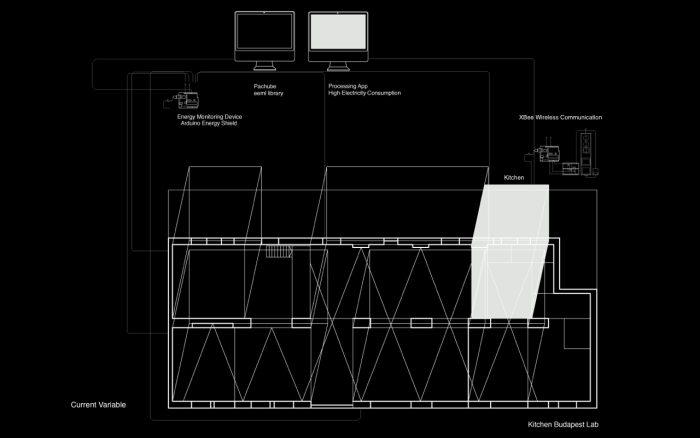
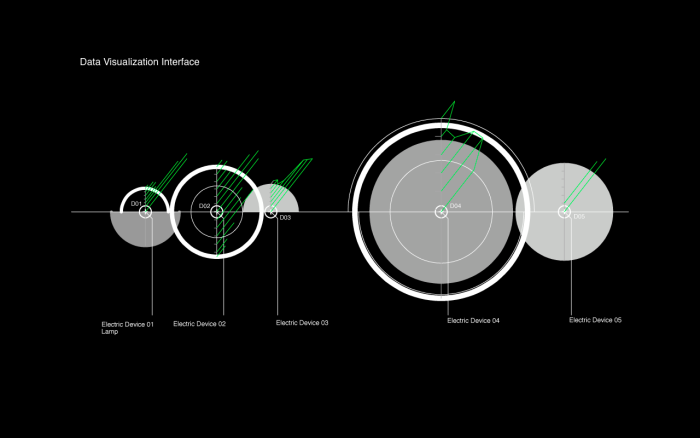
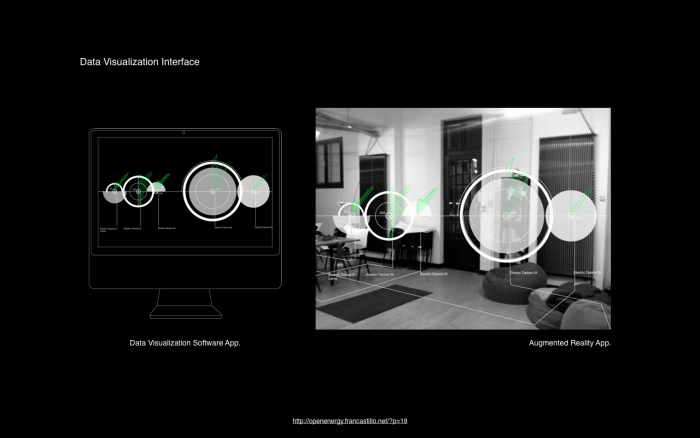
El sistema se estructura en torno a dos dimensiones: la primera, Energy Monitoring Device, investiga dispositivos open hardware con que monitorizar el consumo eléctrico, y una segunda dimensión, Open Energy Visualization (Data Visualization / Augmented Reality App), explora nuevas formas de visualización en tiempo real sobre el consumo eléctrico en entornos domésticos.
Estos sistemas nos posibilitarán amplificar el conocimiento entorno a la dinámica de comportamiento de la energía en cualquier lugar.
Open Energy es un prototipo de infraestructura energética totalmente open source.
Ante el escenario de evolución próximo de Internet of Things (http://es.wikipedia.org/wiki/Internet_de_las_Cosas), Open Energy plantea el diseño de un sistema de visualización que se inserta en un nuevo modelo de distribución energética, donde la invención de tecnologías posibilitarán una redistribución descentralizada en la producción de la electricidad a escala global, definiendo nuevos marcos de equilibrio sostenible.
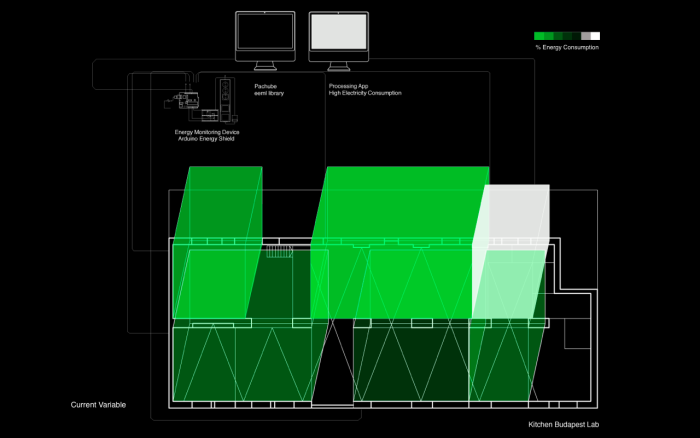
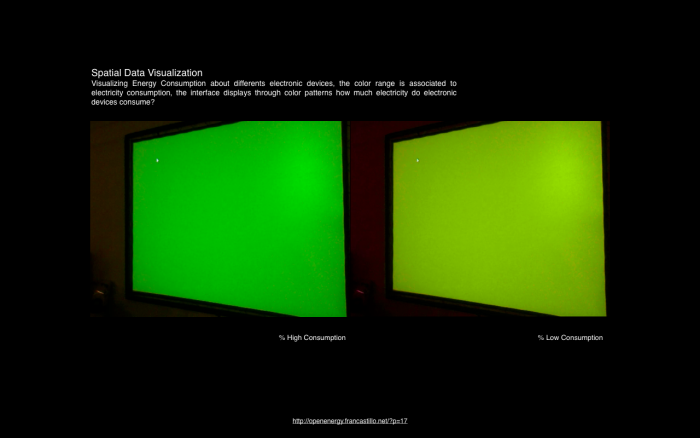
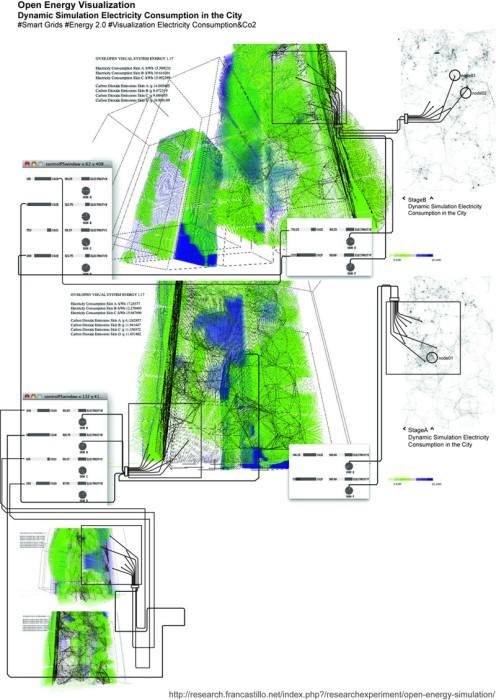
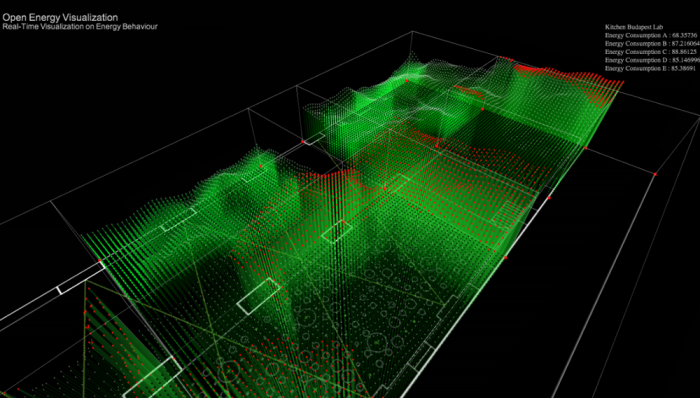
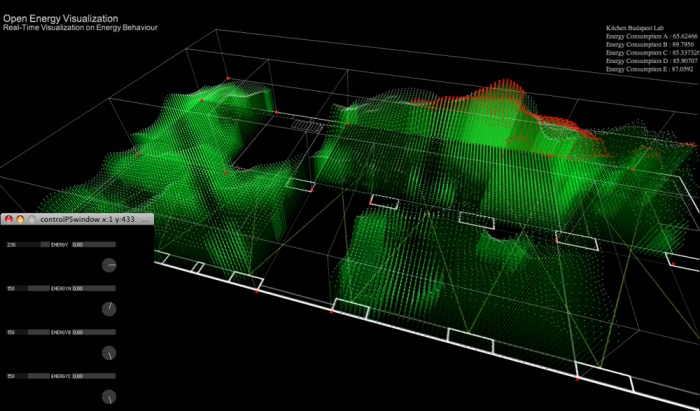
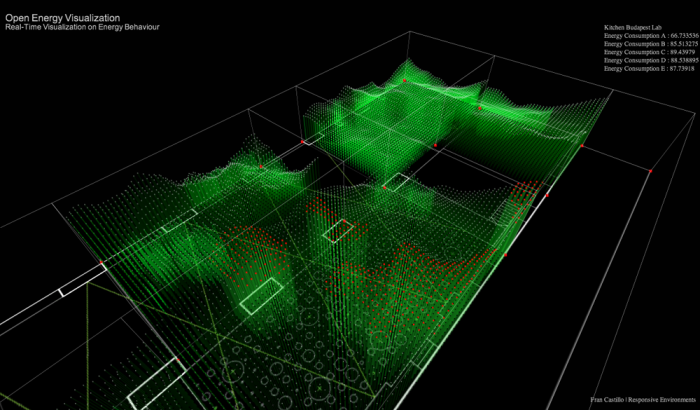
Open Energy Visualization (OEV) es un software de visualización en tiempo real sobre el consumo eléctrico (kWh) y de niveles de CO2 (g) en la vivienda. OEV pretende implementar el diseño del sistema Smart Grid (redes de distribución eléctrica inteligente) mediante la invención de tecnologías de visualización, sensorización y de producción autónoma de energía, que permitan una mayor optimización en la distribución de la energía eléctrica global.
Estas estructuras de visualización posibilitan nuevas formas de relación entre energía-humanos. La visualización en tiempo real de los patrones de consumo eléctrico, así como la simulación en la predicción de consumos, constituirán nuevos sistemas de información a través de los cuales poder visualizar el consumo energético, niveles de CO2, nodos que presenten mayor excedente en la producción de energía, valor en tiempo real de la electricidad, etc.
Este nuevo modelo de red eléctrica inteligente, en oposición al modelo tradicional de red eléctrica jerárquica, plantea el diseño de un sistema energético descentralizado, donde cualquier usuario puede convertirse en un nodo generador y distribuidor de energías renovables. Open Energy como entorno de visualización genera nuevas representaciones no perceptibles de la dinámica de comportamiento eléctrico de los humanos en su entorno habitable. Estos sistemas de visualización en tiempo real nos posibilitarán adaptar los patrones de conductas de consumo en relación a los niveles de consumo registrados, así como la adaptación del consumo en relación a los precios en tiempo real.
Producto A: Aplicación de ahorro energético doméstica
El sistema contará con un interfaz software simple, donde el usuario impute su consumo energético actual mensual en euros y el consumo energético actual mensual que desea obtener en el mes en curso. Con estos datos el interfaz informará del consumo instantáneo actual y el acumulado en el mes en curso, para que en base a esta información y realimentación se pueda actuar en consecuencia y conseguir el ahorro mensual objetivo.
Producto B: Aplicación de ahorro energético en pequeños entornos industriales
Además de lo descrito en el producto anterior, el sistema contará con varios puntos de medición de consumo (hasta 5), de tal manera que se podrán identificar diferentes zonas de consumo y equilibrarlo, teniendo en cuenta (si procede) consumos de stand-by.
El proyecto pretende desarrollar una comunidad en torno al concepto de Open Energy, desarrollando sistemas de monitorización y visualización que nos permitan, por un lado, amplificar el conocimiento sobre la energía, y por otro explorar el desarrollo de una infraestructura abierta para un nuevo modelo de distribución energética en el contexto de Smart Grids / Smart City.
Open Energy está dirigido a cualquier ciudadano y/o colectivos interesado en conocer (y optimizar) el comportamiento energético en su vivienda y/o sistemas urbanos a través de diferentes herramientas de visualización en tiempo real.
El objetivo es desarollar un prototipo de monitorización eléctrica, así como interfaces de visualización en tiempo real.
Pretendemos poder generar una comunidad de ciudadanos interesados en nuevas formas de gestión de los sistemas energéticos basados en tecnologías abiertas.
Fran Castillo (@francastillo) es Arquitecto/ETSAS y Diseñador de Interacción/UPF. Actualmente es director de investigación Responsive Environments. Destacan entre sus proyectos Ecovisualización-Ecoanalogización, desarrollado en Medialab-Prado Madrid y Augmented Ecologies recientemente seleccionado en 2011 Subtle Technologies Festival Toronto, ha sido premiado con el primer premio en el concurso 4th Advanced Architecture Contest IAAC “City Sense” Barcelona 2011 así como en 2011 International Residency Program KIBU´S / Kitchen Budapest. Magyar Telekom's Innovation Lab, y I Digital Culture Festival UBICUA´11 Sevilla 2011, también ha sido seleccionado en 2011 Eme3 International Architecture Festival / COAC / ARTS SANTA MÓNICA / DHUB / ELISAVA Barcelona. Es coimpulsor del Festival Pecha Kucha Night Sevilla. Su trabajo ha sido expuesto en Medialab-Prado/Madrid, Pecha Kucha Nights/Sevilla, La Casa Encendida/Madrid, Centro Andaluz de Arte Contemporáneo/Sevilla, COAC/Colegio Oficial Arquitectos Cataluña/Barcelona, Subtle Technologies Toronto, Kitchen Budapest Medialab/Budapest y Dutch Design Week /Eindhoven.
Óscar Marín Miró (@oscarmarinmiro) es Ingeniero de Telecomunicaciones por la Universidad Politécnica de Madrid y cuenta con 13 años de experiencia laboral en Desarrollo Software. Su principal foco de investigación actualmente es 'dar sentido a los datos'. Sus intereses cubren un amplio rango de áreas de investigación como: Análisis de Sentimiento y Humor, Análisis de Redes Sociales (dinámicas y estáticas), Minería de Wikipedia, Dinámica del lenguaje, Visualización de datos, Interfaces físicos/Internet de las cosas, Procesado del Lenguaje Natural, Recuperación de la Información a gran escala y Realidad Aumentada. Hasta Febrero de 2012 trabajó como Director de Innovación en Paradigma Tecnológico (http://labs.paradigmatecnologico.com/). Actualmente colabora en modo Freelance con HAVAS Media como Ingeniero de Datos, en SEED Studio como Profesor y Data Visualization Partner y en Paradigma Tecnológico como Ingeniero de Ventas y Planificación de Proyectos
Christian Szucher es Ingeniero Electrónico por el Instituto Tecnológico de Budapest.
Colectivos que colaboran:
SEED
Lugadero
Weall
Pecha Kucha Night Sevilla. Asociación seiscuarenta
Responsive Environments
Medialabs que colaboran:
Ha colaborado en el desarrollo del primer prototipo Kitchen Budapest Lab / Magyar Telekom's Innovation Lab http://www.kitchenbudapest.hu/en/

